File 2026-07-16 · East Room · 9:00 pm · runtime 25:00

“The largest compromise of election data in history.”

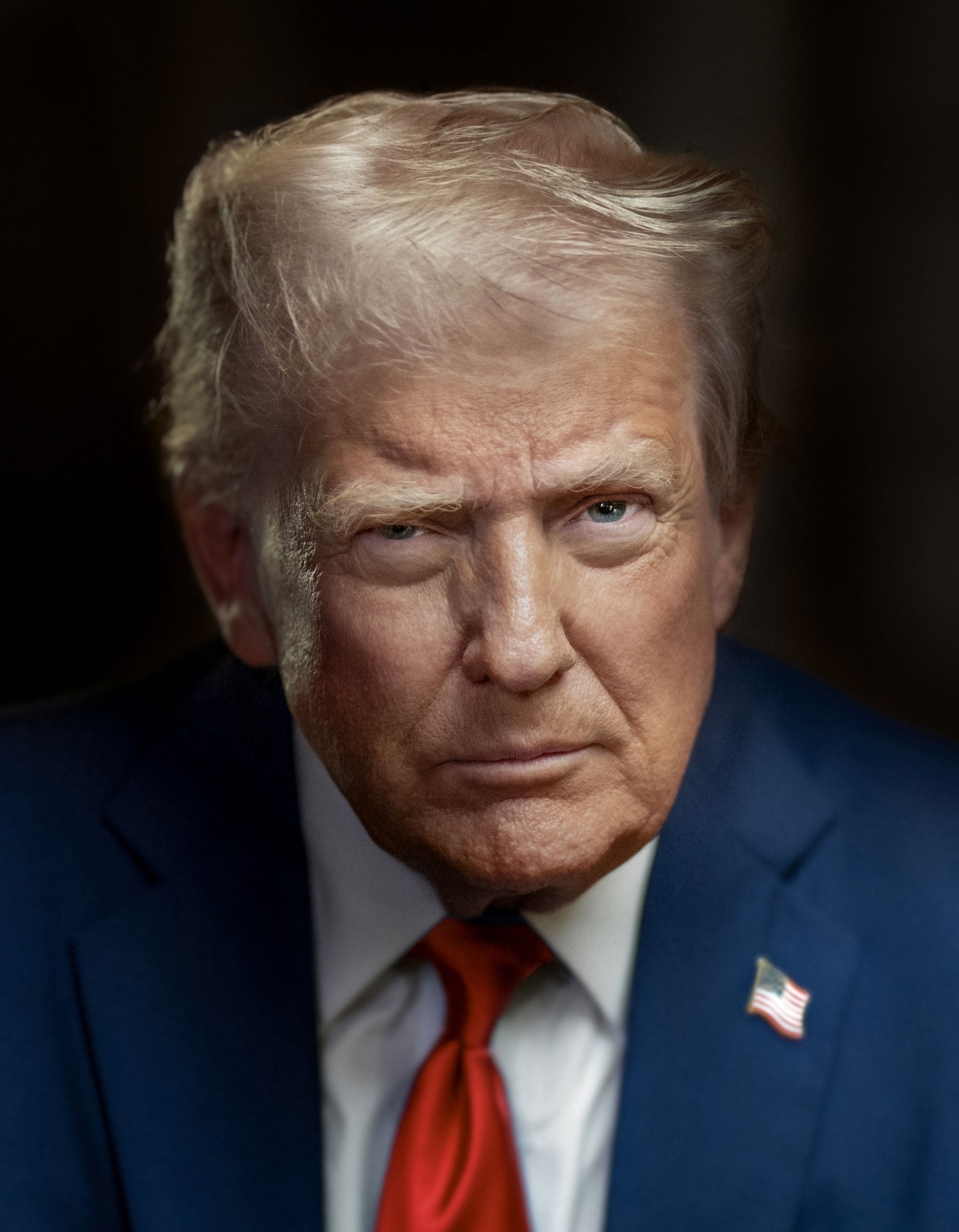
— Donald J. Trump, President of the United States, in primetime

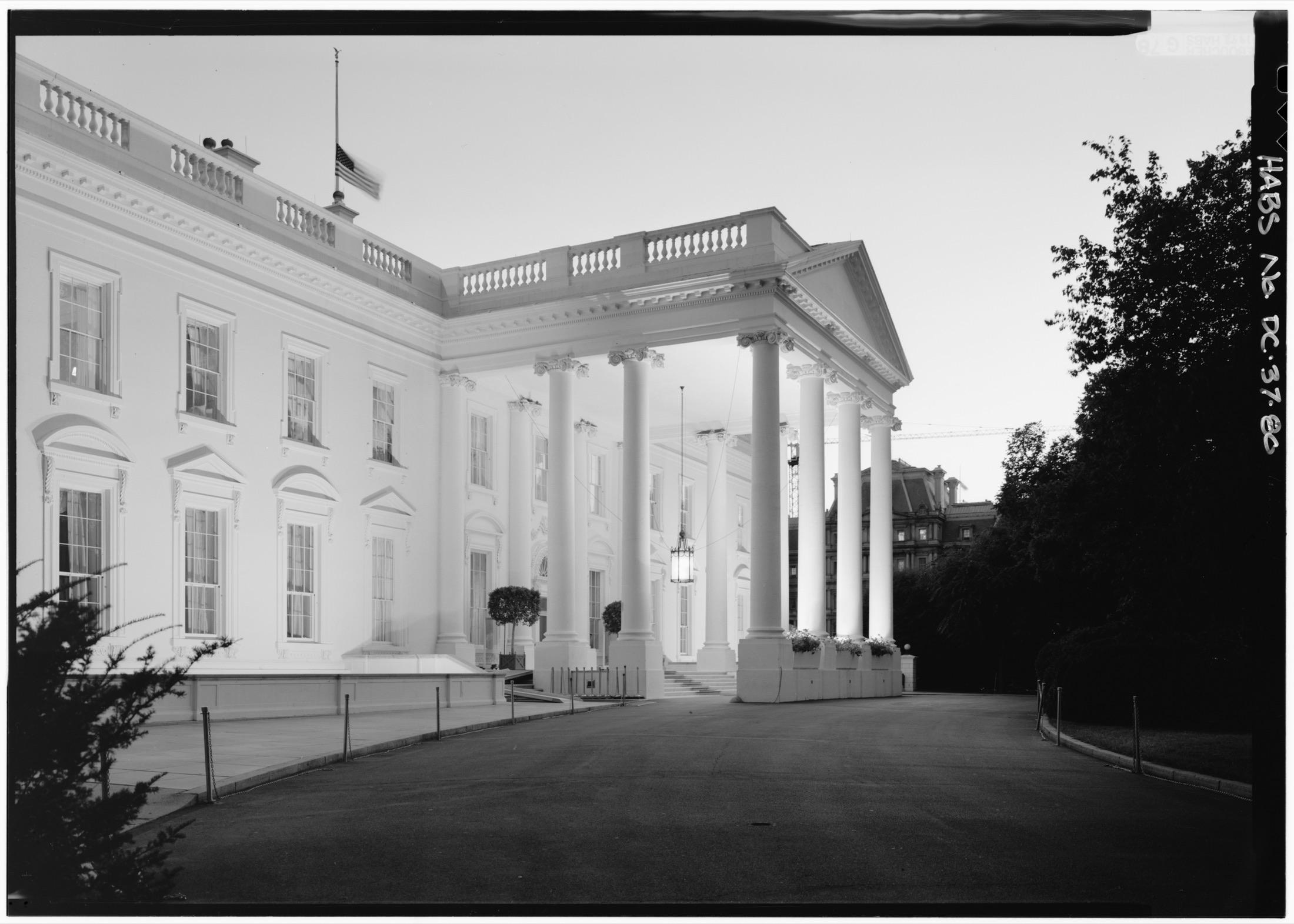
Last night, in the East Room, he told the country China stole the voter files of 220 million Americans — and demanded new rules for how every American votes. By this morning we'd read his own declassified release, page by page. This is what it actually shows, what he wants to change, and what that means for your ballot.

Open the file

Twenty-five minutes.
Four moves.

Less than 48 hours after a federal judge blocked the core of his own executive order, he made the case anyway. Strip the delivery and the address did exactly four things. None of them made law. All of them need the story to be believed.

  1. Declassify

    CIA, FBI, NSA and DHS files, dropped onto a WhiteHouse.gov “election integrity” page and presented as proof of a Chinese operation against U.S. elections.

  2. Allege

    China “illicitly acquired” 220 million voter files. The intelligence community covered it up, even “massaged” his Daily Brief. China paid American journalists for hit pieces. None of it verified.

  3. Order

    DHS to notify every state of roughly 278,000 allegedly non-citizen registrants — due today, with Secretary Mullin briefing the press this afternoon. A figure no one outside the administration has audited.

  4. Demand

    Papers to register. Photo ID to vote. Mail ballots curtailed. And the SAVE America Act, dead in the Senate since April, back on the table.

The China claim comes early, right after the opening remarks. Watch the full 25 minutes for the context a clip can't give you.

What the file actually shows

Four bundles of documents went up that night, billed as proof of a Chinese operation against American elections. Espionage is on every page. A compromised election is on none.

  1. System vulnerabilities

    Weaknesses in U.S. election IT. Real, and public knowledge for years before last night.

  2. China's data haul

    The famous 220 million files — bought, not hacked, from seven states' publicly sold voter rolls, per the release's own pages.

  3. A Michigan case

    One state registration investigation. No altered outcome anywhere in it.

  4. Noncitizen rolls

    The paperwork behind the 278,000 figure, unaudited by anyone outside the administration.

Evidence of spying

Documented, including against the 2020 Biden campaign. Nobody disputes it.

Evidence of a stolen election

CNN read the entire release: “no mention of China actively exploiting the data.” His own Jan 2020 intelligence: the system is too decentralized to swing at scale.

The claim

220,000,000

voter files “illicitly acquired” by China — declassified live on WhiteHouse.gov the moment he said it. That is roughly every registered voter in America.

The “theft”

7

states sold China their voter rolls. Sold. Legally.

The going rate

$37,000

the most any state charges for its entire roll. Some hand it over free.

The smoking gun

0

altered votes. 220 million stolen files, and not one changed vote — his own release included.

A hostile power holding the whole country's voter file is worth losing sleep over. A stolen election is a different claim. So we checked every one.

Claim by claim

Six claims carried the speech. Verdicts drawn from the administration's own release, the 2021 ODNI assessment and state election officials, then cross-checked against every major fact-check.

Claim 1 of 6

“China illicitly acquired 220 million U.S. voter files.”

His own release calls the data “publicly available for download.” China bought 2020 rolls from seven states — like campaigns, brokers and researchers do. Buying a public list is not a hack.


Misleading

Claim 2 of 6

“The largest compromise of election data in history.”

No released document says it. The superlative rests entirely on the inflated number, and on nothing else. CBS rated the framing Misleading.

Unsupported

Claim 3 of 6

Chinese interference altered votes — including in 2020.

The 2021 ODNI assessment, high confidence: “no indications that any foreign actor attempted to alter any technical aspect of the voting process.” CISA called 2020 the most secure election in American history.

False

Claim 4 of 6

“The Deep State suppressed it and massaged my Daily Brief.”

No released document shows a cover-up or a doctored brief. Judging intelligence “not significant enough” is a routine analytic call. An allegation, nothing more.

Unverified

Claim 5 of 6

“China paid American journalists to write negative articles about me.”

Asserted from the podium. Zero public evidence produced.

Unverified

Claim 6 of 6

“278,000 noncitizens are registered to vote.”

No verification released — and headline numbers like this collapse under audit: matching errors, naturalized citizens, clerical duplicates. Purges built on lists like this sweep up eligible voters.

Contested

Within hours

The pushback didn't wait for morning. Within hours, a Republican congressman, a Democratic secretary of state and Beijing's own embassy were all on record — and none of them backed his story.

Rep. Thomas Massie
“Why are you complaining about election fraud? We won all the damn elections!”

Rep. Thomas Massie

Republican · Kentucky

Jocelyn Benson, Michigan Secretary of State
“Debunked and baseless conspiracy theories about an election he lost almost six years ago.”

Jocelyn Benson

Democrat · Michigan Secretary of State

Liu Chang, spokesperson of the Chinese Embassy in Washington
“China has never and will never interfere in the presidential elections of the U.S.”

Liu Chang

Spokesperson · Chinese Embassy, Washington

What he wants to change
about how you vote

Every measure below predates the China story: the same rulebook has been moving through orders, bills and directives since March. Here is each change, what the law has said about it, and what it would mean the next time you vote.

Papers to register

Blocked in court

A passport or birth certificate to register for federal elections, via Executive Order 14399 and the SAVE America Act. On July 15, Judge Denise Casper permanently blocked the order's core: the Constitution hands elections to the states and Congress, not the president.

For you: an estimated 21.3 million eligible citizens don't have those documents within reach. No papers, no registration.

Form FVR-1 · Federal voter registration

Name
Address
Proof of citizenshipPassport or birth certificate · required
Returned · no document

Photo ID, nationwide

Failed 48–50

A federal ID requirement at every polling place, through the SAVE America Act, which failed in April, 48–50, in a Senate his own party controls. Voter ID itself polls well across parties; the issue is the method — one national rule, imposed under a foreign-threat pretext his own file doesn't support.

For you: one national rulebook replacing fifty. The friction lands hardest on first-time voters and people who vote some years, not every year.

Federal voter ID

No ID · no ballot

Mail ballots: in by Election Day

In limbo

Every ballot received by Election Day, whatever the postmark, ending the grace period roughly 18 states allow. Exceptions only for military, disabled, ill and traveling voters. The executive route is enjoined; the USPS rulemaking behind it is stuck.

For you: a ballot mailed on time but delivered Wednesday stops counting. Over half of voters under 35 voted early or by mail in 2024.

Official election mail

Arrived Nov 4 · void

Citizenship lists & the purge

Enjoined · Disputed

DHS and Social Security compile citizen lists for every state (enjoined with the order), while a directive presses states to remove roughly 278,000 allegedly noncitizen registrants, a figure no one outside the administration has audited. Behind it, §5 lets Washington withhold funds from states that don't comply.

For you: purge lists fail in one direction: naturalized citizens and clerical near-matches get swept off the rolls, and find out at the polling place.

County roll · noncitizen match report

ALVAREZ, R.match 58%
CHEN, W.match 61%
KOWALSKI, A.match 44%
OKAFOR, M.match 52%
SINGH, P.match 63%

Row 4: naturalized 2019 · removed in error

The unsigned emergency order

Unsigned

A 17-page draft: declare a national emergency, ban mail ballots and voting machines, hand-count everything, premised on China compromising 2020. Scholars from Cato to the Brennan Center call it flatly unconstitutional. Trump, asked about it: “Who told you that?”

For you: it's the one route that needs neither the courts nor the Senate. It only needs the emergency to feel real. That is what a primetime foreign-threat story is for.

Draft · 17 pages · circulating since Feb

Executive order — declaring a national emergency in election security

The President of the United States

Yes, the threat is real.

Foreign spying on U.S. elections is documented. His own file proves that much.

No, this isn't the fix.

Not one of these rules touches it. They change who votes, not who spies.

The system held.
The question is how long.

Follow the dates. Every institution did its job under pressure: a federal judge, a Senate majority of his own party, an emergency order still sitting unsigned in a drawer. Then, less than 48 hours after the courtroom door closed, the same agenda walked into primetime wearing a foreign threat it never had before.

  1. Mar 2021

    ODNI, high confidence: no foreign actor altered any technical aspect of 2020 voting. China “considered but did not deploy.” The baseline.

  2. Feb 2026

    A 17-page draft “emergency” order leaks: ban mail ballots, ban voting machines, hand-count everything. Unsigned. Trump: “Who told you that?”

  3. Mar 31

    Executive Order 14399: proof of citizenship, mail-ballot limits, federal citizenship lists. China appears nowhere in it.

  4. Apr 23

    The Senate holds: the SAVE America Act fails, 48–50 — his own party in the majority.

  5. Jul 15

    The courts hold: Judge Denise Casper permanently blocks the order's core. Presidents don't run elections. The executive route closes.

  6. Jul 16 — 9:00 pm

    The primetime address. Same agenda. New enemy.

  7. Within hours

    Fact-checks land fast: a legal seven-state data purchase, no altered votes, no documented cover-up. By this morning, CNN had read every declassified page and CBS had rated the central claim Misleading.

Institutions don't defend themselves. People hold them up — and the next test is in November.

If you belong to neither party, this fight is about you

The coverage barely touches it: unaffiliated voters have the most exposure to these rules and, strangely, the most to gain from the wreckage. Both are true at once. Committed partisan? Nobody here asks you to quit your party. Just watch who the new rules squeeze first.

The headwinds

  • The friction lands on you first

    Independent campaigns live on the voters with the loosest grip on the process — younger, unaligned, voting some years and not others. Over half of under-35s voted early or by mail in 2024. Some 21.3 million citizens lack the documents the new rules demand.

  • Fear is a two-party story

    A country told it's under attack sorts itself into two camps, fast. The louder the siren, the harder it gets for anyone to hear “neither.”

  • The outsider machinery gets kneecapped

    Petition drives and volunteer registration are how you compete without a party. The SAVE Act routes registration through official channels — friction paid party staff can absorb, and volunteers cannot.

The opening

  • The chaos is the argument

    A president at war with his own Senate, a 48–50 defeat, a court loss rebranded as foreign war. “Both parties are broken” is writing itself.

  • The middle is genuinely up for grabs

    Voters alienated by the overhaul and unimpressed by the opposition are the natural pool for a credible independent — if anyone reaches them.

The rules for November are mostly frozen in court. What's still up for grabs is whether people like you show up anyway — and who you find on the ballot when you do.
— The bottom line, as of July 17

The way out

The answer to a red hat isn't a blue one.

Make America Independent Again. The exit already has people walking through it: independents on 2026 ballots from Nebraska to Oregon. The Independent Center, which tracks the field, puts it plainly: “the political center has found a home.”

And no, this isn't spoiler math. These are races in states one party wins by default — where an independent isn't splitting the opposition. They are the opposition.

Dan Osborn smiling at a campaign event in rural Nebraska

Dan Osborn

U.S. Senate · Nebraska

“I believe we all have more in common with each other than we do with the partisans who run Washington.”
Seth Bodnar, former University of Montana president

Seth Bodnar

U.S. Senate · Montana

“This country is in crisis, and our national political parties are failing us.”
Natalie Fleming, independent candidate for U.S. Senate in Idaho

Natalie Fleming

U.S. Senate · Idaho

“Not for a party, not for special interests.”
LaNicia Duke, non-affiliated candidate for governor of Oregon

LaNicia Duke

Governor · Oregon

“Oregon is strongest when we move forward together, not divided by party labels or insider interests.”

Osborn and Bodnar are spotlighted in the Independent Center's 2026 election guide. As a 501(c)(3) it can't endorse; it tracks the independents worth watching. So do we — Fleming and Duke included. Different state? The guide covers the whole map, including where no independent has filed yet.